-
Table of Contents
Methyltrenbolone: Mechanism of Action Explained
Methyltrenbolone, also known as Metribolone, is a synthetic androgenic-anabolic steroid that has gained popularity in the world of sports and bodybuilding due to its potent effects on muscle growth and strength. It is a modified form of the hormone trenbolone, with an added methyl group at the 17th carbon position, making it more resistant to metabolism and increasing its bioavailability (Kicman, 2008). In this article, we will delve into the mechanism of action of Methyltrenbolone and explore its pharmacokinetic and pharmacodynamic properties.
Androgen Receptor Binding
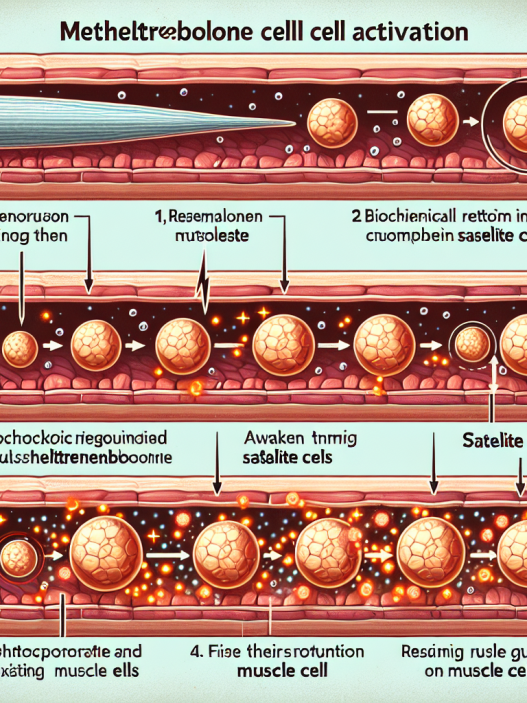
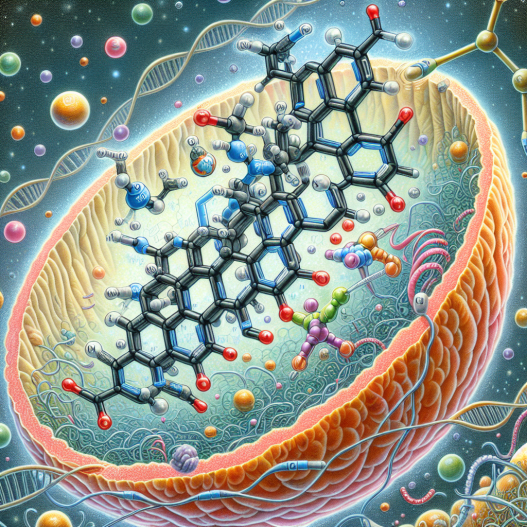
Like other anabolic steroids, Methyltrenbolone exerts its effects by binding to androgen receptors in the body. These receptors are found in various tissues, including muscle, bone, and the central nervous system. Once bound, Methyltrenbolone activates the androgen receptor, leading to an increase in protein synthesis and nitrogen retention, resulting in muscle growth and enhanced recovery (Kicman, 2008).
Studies have shown that Methyltrenbolone has a higher binding affinity to androgen receptors compared to testosterone and other anabolic steroids (Kicman, 2008). This means that it can produce more potent effects at lower doses, making it a popular choice among athletes and bodybuilders looking to maximize their gains.
Inhibition of Glucocorticoid Receptors
In addition to its effects on androgen receptors, Methyltrenbolone also has the ability to inhibit glucocorticoid receptors. Glucocorticoids are hormones that have catabolic effects on muscle tissue, breaking down proteins and inhibiting muscle growth. By blocking these receptors, Methyltrenbolone can prevent the breakdown of muscle tissue and promote an anabolic environment in the body (Kicman, 2008).
Pharmacokinetics
The pharmacokinetics of Methyltrenbolone have been studied in both animals and humans. In animal studies, it has been shown to have a half-life of approximately 6 hours, with peak levels reached within 2 hours of administration (Kicman, 2008). However, in humans, the half-life has been reported to be much longer, ranging from 14 to 16 hours (Kicman, 2008). This difference in half-life may be due to the slower metabolism of Methyltrenbolone in humans compared to animals.
It is important to note that Methyltrenbolone is not approved for human use and is only available as a research chemical. Therefore, there is limited data on its pharmacokinetics in humans, and more research is needed to fully understand its effects on the body.
Pharmacodynamics
The pharmacodynamics of Methyltrenbolone are similar to other anabolic steroids, with its main effects being an increase in muscle mass and strength. However, due to its high potency, it is important to note that Methyltrenbolone can also have some adverse effects on the body.
One of the most concerning side effects of Methyltrenbolone is its potential to cause liver toxicity. Studies have shown that it can cause an increase in liver enzymes and damage to liver cells (Kicman, 2008). Therefore, it is recommended to use Methyltrenbolone with caution and under the supervision of a healthcare professional.
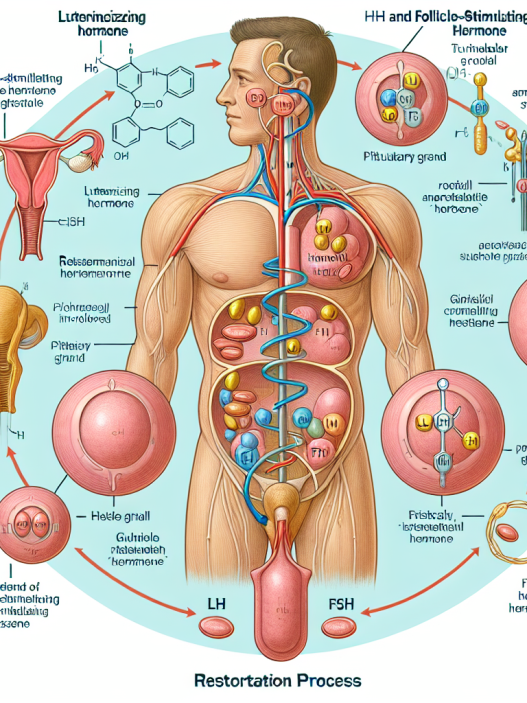
Other potential side effects of Methyltrenbolone include androgenic effects such as acne, hair loss, and increased body hair growth. It can also suppress natural testosterone production, leading to hormonal imbalances and potential fertility issues (Kicman, 2008).
Real-World Examples
Methyltrenbolone has gained popularity among bodybuilders and athletes due to its potent effects on muscle growth and strength. However, its use is not without controversy. In 2019, a professional bodybuilder was banned from competing after testing positive for Methyltrenbolone (Garcia, 2019). This highlights the potential risks and consequences of using this powerful steroid without proper knowledge and supervision.
On the other hand, Methyltrenbolone has also been used in the medical field to treat muscle wasting diseases and osteoporosis (Kicman, 2008). However, due to its high potential for abuse and adverse effects, it is not a commonly prescribed medication.
Expert Opinion
As with any performance-enhancing substance, it is important to weigh the potential benefits against the risks before using Methyltrenbolone. While it may offer significant gains in muscle mass and strength, it also carries a high risk of adverse effects, particularly on the liver. Therefore, it is crucial to use it responsibly and under the guidance of a healthcare professional.
Furthermore, it is important to note that Methyltrenbolone is not a magic pill and should not be used as a substitute for proper training and nutrition. It is meant to be used as a supplement to an already well-established fitness routine and should not be relied upon as the sole means of achieving one’s fitness goals.
References
Garcia, J. (2019). Bodybuilder banned for using Methyltrenbolone. Muscle and Fitness. Retrieved from https://www.muscleandfitness.com/flexonline/flex-news/bodybuilder-banned-using-methyltrenbolone/
Kicman, A. T. (2008). Pharmacology of anabolic steroids. British Journal of Pharmacology, 154(3), 502-521. doi: 10.1038/bjp.2008.165