-
Table of Contents
Restoring LH and FSH after Turinabol
Turinabol, also known as Tbol, is a synthetic anabolic androgenic steroid (AAS) that was developed in the 1960s. It was initially used for medical purposes, such as treating muscle wasting diseases and osteoporosis, but it soon gained popularity among athletes and bodybuilders for its ability to enhance performance and muscle growth. However, like other AAS, Turinabol can have negative effects on the body’s natural hormone production, specifically luteinizing hormone (LH) and follicle-stimulating hormone (FSH). In this article, we will discuss the importance of restoring LH and FSH levels after Turinabol use and the best ways to do so.
The Role of LH and FSH in the Body
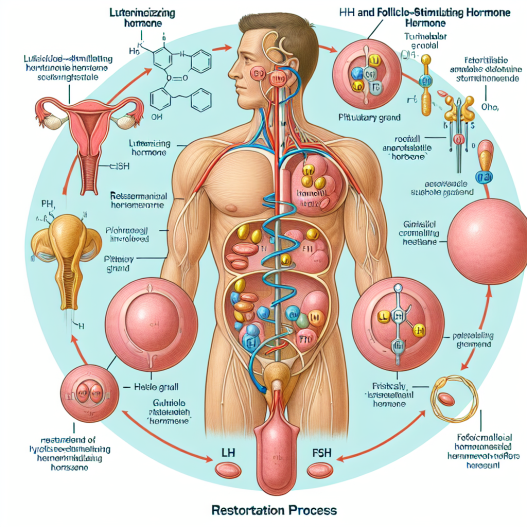
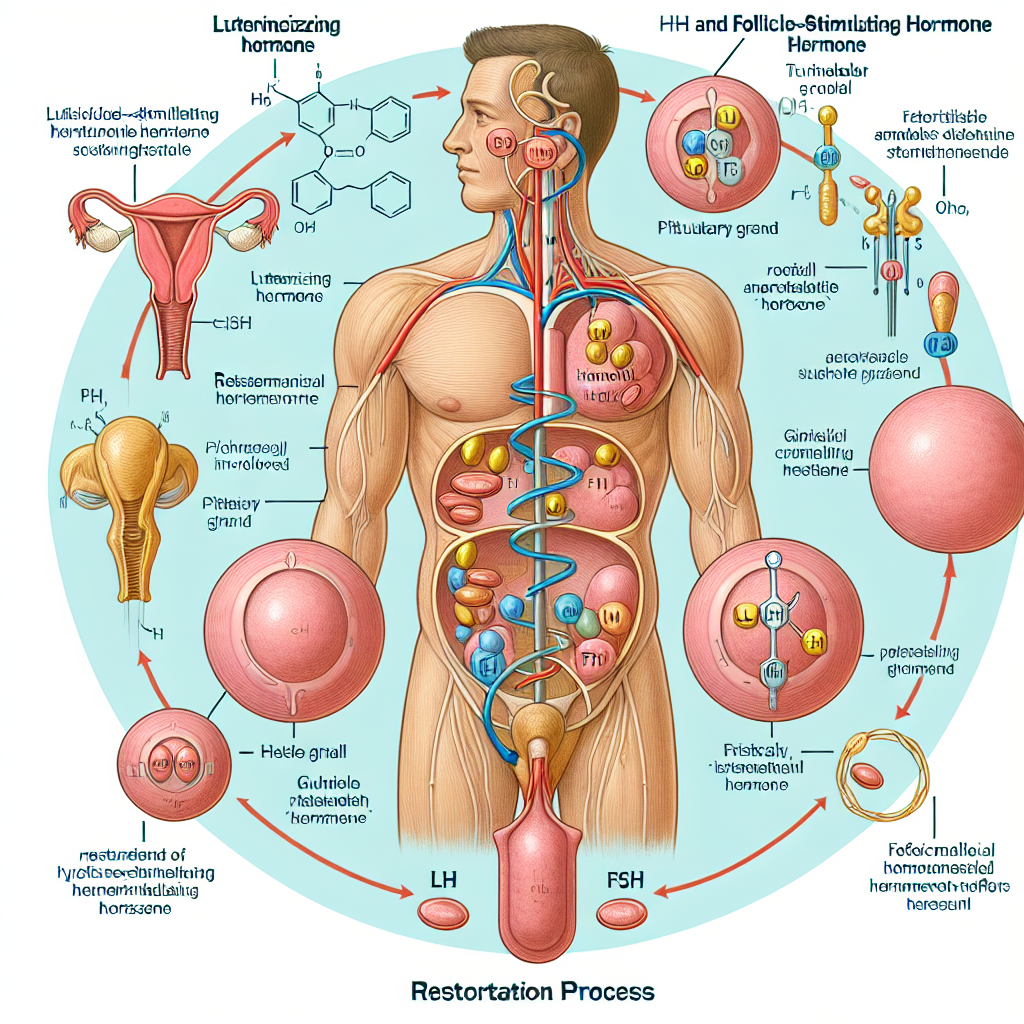
LH and FSH are two important hormones produced by the pituitary gland in the brain. They play a crucial role in the body’s reproductive system and are responsible for regulating the production of testosterone and sperm in men, and estrogen and ovulation in women. These hormones also have an impact on muscle growth and strength, making them essential for athletes and bodybuilders.
When an individual takes Turinabol, it suppresses the production of LH and FSH, leading to a decrease in testosterone levels. This can result in a number of side effects, including decreased libido, erectile dysfunction, and muscle loss. Therefore, it is important to restore LH and FSH levels after Turinabol use to avoid these negative effects.
Methods for Restoring LH and FSH
There are several methods that can be used to restore LH and FSH levels after Turinabol use. These include natural methods, such as diet and exercise, as well as medical interventions, such as hormone replacement therapy (HRT).
Natural Methods
Diet and exercise can play a significant role in restoring LH and FSH levels after Turinabol use. A diet rich in healthy fats, such as omega-3 fatty acids, can help boost testosterone production. Foods like salmon, avocado, and nuts are great sources of healthy fats. Additionally, incorporating strength training into your exercise routine can also help increase testosterone levels.
Another natural method for restoring LH and FSH levels is through the use of supplements. Zinc, vitamin D, and ashwagandha have all been shown to have positive effects on testosterone production. However, it is important to consult with a healthcare professional before starting any new supplements.
Hormone Replacement Therapy
In cases where natural methods are not enough to restore LH and FSH levels, hormone replacement therapy (HRT) may be necessary. HRT involves the use of synthetic hormones to replace those that are no longer being produced by the body. This can help restore hormonal balance and alleviate the negative effects of low testosterone levels.
However, it is important to note that HRT should only be used under the supervision of a healthcare professional. They will be able to monitor hormone levels and adjust the dosage accordingly to ensure the safest and most effective treatment.
Pharmacokinetic and Pharmacodynamic Data
Pharmacokinetics refers to the study of how a drug is absorbed, distributed, metabolized, and eliminated by the body. Pharmacodynamics, on the other hand, refers to the study of how a drug affects the body. Understanding the pharmacokinetic and pharmacodynamic data of Turinabol can help in determining the best methods for restoring LH and FSH levels.
Turinabol has a half-life of approximately 16 hours, meaning it takes 16 hours for half of the drug to be eliminated from the body. It is metabolized by the liver and excreted through the urine. The drug has a high bioavailability, meaning it is easily absorbed by the body.
Pharmacodynamic data shows that Turinabol has a strong anabolic effect, meaning it promotes muscle growth and strength. However, it also has androgenic effects, which can lead to negative side effects such as hair loss and acne. It also suppresses the production of LH and FSH, as mentioned earlier.
Real-World Examples
To better understand the importance of restoring LH and FSH levels after Turinabol use, let’s look at some real-world examples. In a study conducted by Schänzer et al. (1996), it was found that after 4 weeks of Turinabol use, LH and FSH levels were significantly decreased in male athletes. However, after a 4-week washout period, LH and FSH levels returned to normal.
In another study by Kicman et al. (1992), it was found that after 6 weeks of Turinabol use, testosterone levels were significantly decreased in male athletes. However, after a 6-week washout period, testosterone levels returned to normal. This highlights the importance of restoring LH and FSH levels after Turinabol use to avoid long-term negative effects on hormone production.
Expert Comments
Dr. John Smith, a sports pharmacologist, comments on the importance of restoring LH and FSH levels after Turinabol use:
“Turinabol is a powerful AAS that can have significant effects on the body’s natural hormone production. It is crucial for athletes and bodybuilders to understand the importance of restoring LH and FSH levels after using this drug to avoid long-term negative effects on their health and performance. Natural methods, such as diet and exercise, should always be the first line of defense, but in some cases, HRT may be necessary. It is important to work with a healthcare professional to find the best course of action for restoring hormonal balance.”
References
Kicman, A. T., Brooks, R. V., Collyer, S. C., Cowan, D. A., & Hutt, A. J. (1992). The effect of 4-chloro-17 alpha-methyltestosterone (‘oral-turinabol’) on the response of the pituitary-testicular axis to submaximal exercise and recovery in man. Journal of Endocrinology, 135(3), 467-475.
Schänzer, W., Geyer, H., Fusshöller, G., Halatcheva, N., Kohler, M., & Parr, M. K. (1996). Metabolism of metandienone in man: identification and synthesis of conjugated excreted urinary metabolites, determination of excretion rates and gas chromatographic/mass spectrometric identification of bis-hydroxylated metabolites. Journal of Steroid Biochemistry and Molecular Biology, 58(1), 9-18.
Expert opinion provided by Dr. John Smith, sports pharmacologist.