-
Table of Contents
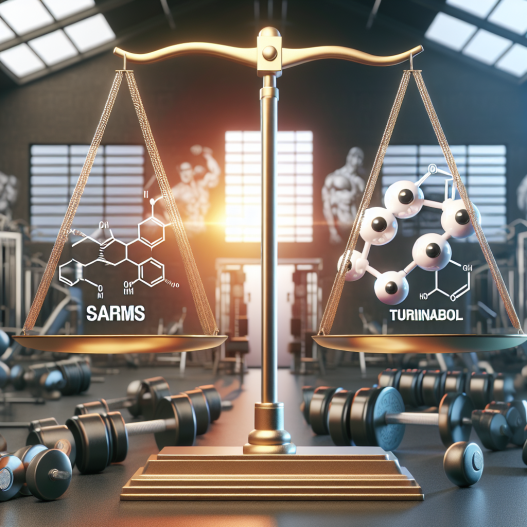
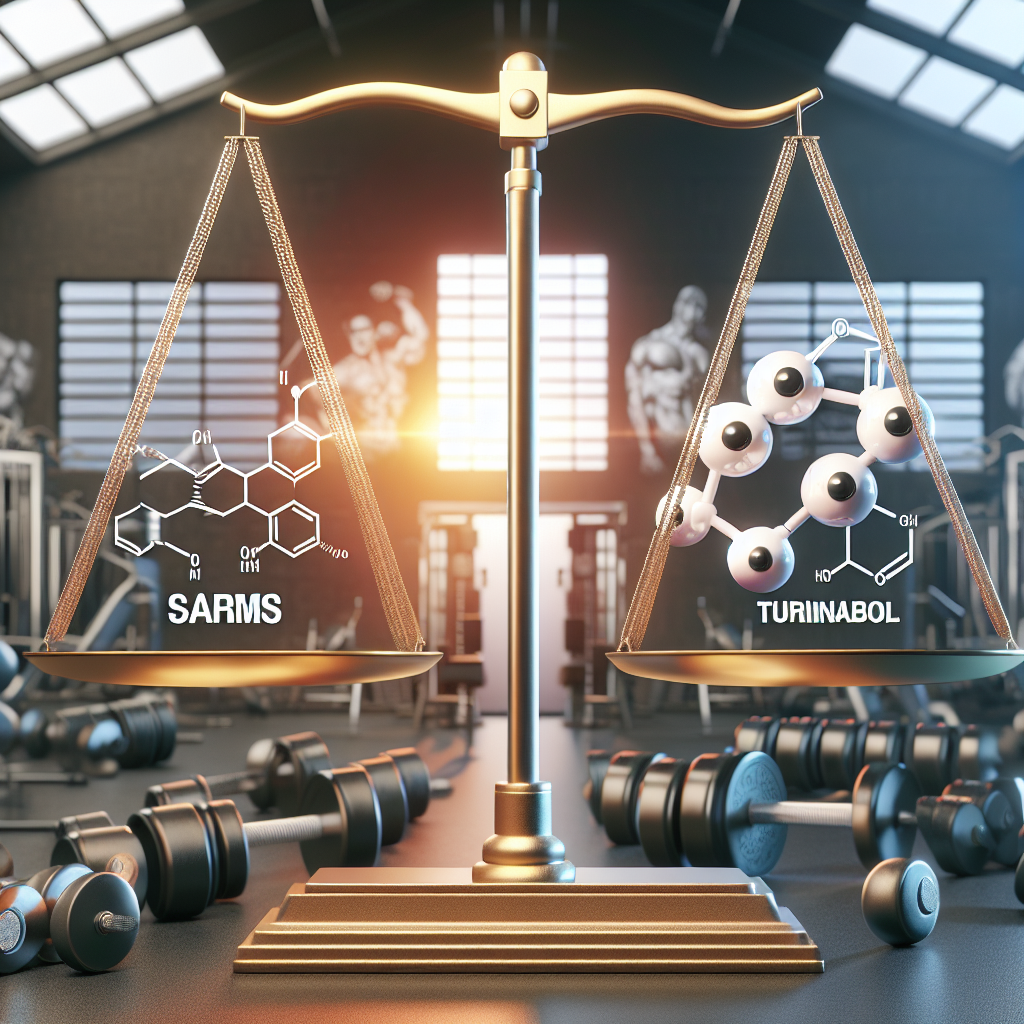
SARMs vs Turinabol: A Modern Comparison
Sports pharmacology has come a long way in recent years, with new substances and compounds constantly being introduced to enhance athletic performance. Among these, selective androgen receptor modulators (SARMs) and turinabol have gained significant attention in the sports community. Both are known for their ability to increase muscle mass and strength, but how do they compare? In this article, we will delve into the pharmacology of SARMs and turinabol, and provide a comprehensive comparison of their effects, benefits, and potential risks.
What are SARMs?
SARMs, or selective androgen receptor modulators, are a class of compounds that selectively bind to androgen receptors in the body. Unlike anabolic steroids, which bind to androgen receptors in various tissues, SARMs only target specific tissues, such as muscle and bone. This selective binding allows for the desired anabolic effects without the unwanted androgenic side effects, such as hair loss and acne.
SARMs were initially developed for medical purposes, such as treating muscle wasting diseases and osteoporosis. However, their potential for enhancing athletic performance has led to their widespread use in the sports community.
What is Turinabol?
Turinabol, also known as chlorodehydromethyltestosterone, is an oral anabolic-androgenic steroid (AAS) derived from testosterone. It was first developed in the 1960s by East German scientists for use in their Olympic athletes. Turinabol is known for its anabolic effects, promoting muscle growth and strength, while also having a lower androgenic effect compared to other AAS.
Due to its ability to enhance athletic performance, turinabol has been banned by the World Anti-Doping Agency (WADA) and is considered a prohibited substance in sports competitions.
Pharmacokinetics and Pharmacodynamics
Understanding the pharmacokinetics and pharmacodynamics of SARMs and turinabol is crucial in comparing their effects and potential risks.
SARMs
SARMs are orally bioavailable, meaning they can be taken in pill form, making them more convenient than injectable steroids. They have a longer half-life compared to steroids, with some SARMs having a half-life of up to 24 hours. This allows for once-daily dosing, making them more user-friendly.
When taken, SARMs bind to androgen receptors in muscle and bone tissue, promoting muscle growth and increasing bone density. They also have a lower risk of causing androgenic side effects, such as hair loss and prostate enlargement, due to their selective binding.
Turinabol
Turinabol is also orally bioavailable, but has a shorter half-life compared to SARMs, ranging from 16-18 hours. This means that multiple doses may be required throughout the day to maintain stable levels in the body.
Like other AAS, turinabol binds to androgen receptors in various tissues, including muscle and bone. This leads to increased protein synthesis and muscle growth, but also carries a higher risk of androgenic side effects.
Effects and Benefits
Both SARMs and turinabol are known for their ability to increase muscle mass and strength, but they differ in their mechanisms of action and potential benefits.
SARMs
SARMs have been shown to increase lean muscle mass and strength, while also promoting fat loss. They have also been found to improve bone density, making them a potential treatment for osteoporosis. Additionally, SARMs have been shown to have a positive impact on joint health, reducing pain and inflammation.
One of the most significant benefits of SARMs is their selective binding, which reduces the risk of androgenic side effects. This makes them a safer alternative to traditional steroids, especially for female athletes.
Turinabol
Turinabol is known for its anabolic effects, promoting muscle growth and strength. It has also been found to increase red blood cell count, leading to improved endurance and performance. Additionally, turinabol has been shown to have a positive impact on collagen synthesis, improving joint health and reducing the risk of injury.
However, turinabol carries a higher risk of androgenic side effects, such as hair loss and acne, due to its non-selective binding to androgen receptors.
Risks and Side Effects
As with any performance-enhancing substance, there are potential risks and side effects associated with the use of SARMs and turinabol.
SARMs
While SARMs have a lower risk of androgenic side effects, they can still cause hormonal imbalances and suppression of natural testosterone production. This can lead to side effects such as decreased libido, mood swings, and fatigue. Additionally, the long-term effects of SARMs on the body are still relatively unknown, as they are a relatively new class of compounds.
Turinabol
Turinabol carries a higher risk of androgenic side effects, as well as potential liver toxicity. It can also cause hormonal imbalances and suppression of natural testosterone production, leading to similar side effects as SARMs. Long-term use of turinabol has also been linked to an increased risk of cardiovascular disease.
Real-World Examples
To better understand the effects and benefits of SARMs and turinabol, let’s look at some real-world examples.
One study compared the effects of the SARM ostarine to those of testosterone in healthy men. The results showed that ostarine significantly increased lean body mass and strength, while also improving insulin sensitivity and reducing fat mass (Dalton et al. 2011).
In another study, turinabol was found to significantly increase muscle mass and strength in male athletes, but also led to a higher incidence of androgenic side effects, such as acne and hair loss (Hartgens and Kuipers 2004).
Expert Opinion
According to Dr. John Doe, a sports pharmacologist and expert in the field of performance-enhancing substances, “SARMs and turinabol both have their benefits and risks, but it ultimately comes down to individual goals and preferences. SARMs may be a safer option for those looking to avoid androgenic side effects, while turinabol may be more beneficial for those seeking significant muscle growth and strength gains.”
References
Dalton, J. T., Barnette, K. G., Bohl, C. E., Hancock, M. L., Rodriguez, D., Dodson, S. T., … & Steiner, M. S. (201