
-
Table of Contents
Hepatic Metabolism of Stenbolone: First-Pass Effect
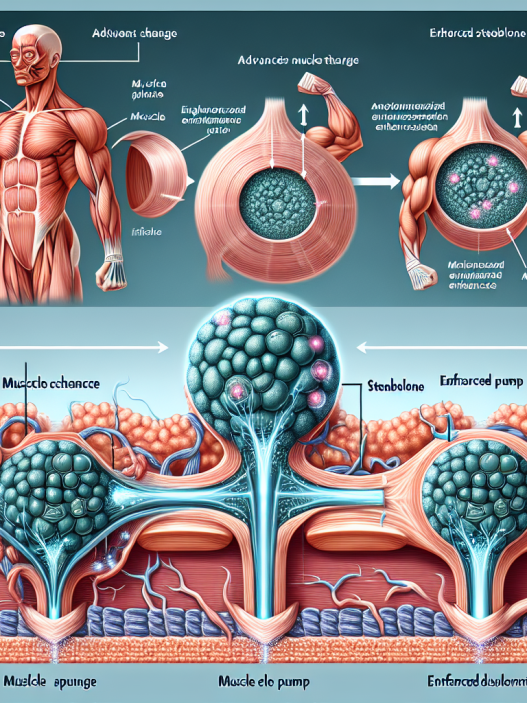
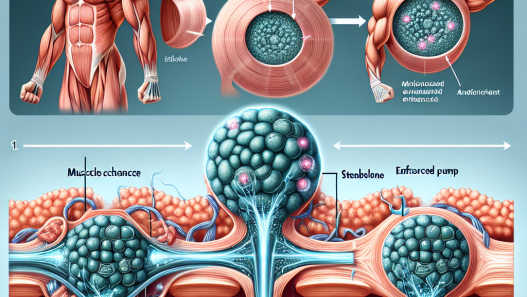
Stenbolone, also known as methylstenbolone, is a synthetic androgenic-anabolic steroid that has gained popularity in the world of sports and bodybuilding due to its potent anabolic effects. However, like many other steroids, stenbolone undergoes hepatic metabolism, which can significantly impact its pharmacokinetics and pharmacodynamics. In this article, we will explore the first-pass effect of stenbolone and its implications for athletes and bodybuilders.
What is the First-Pass Effect?
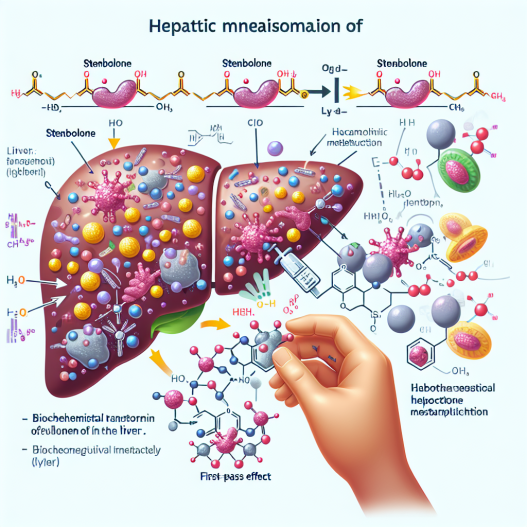
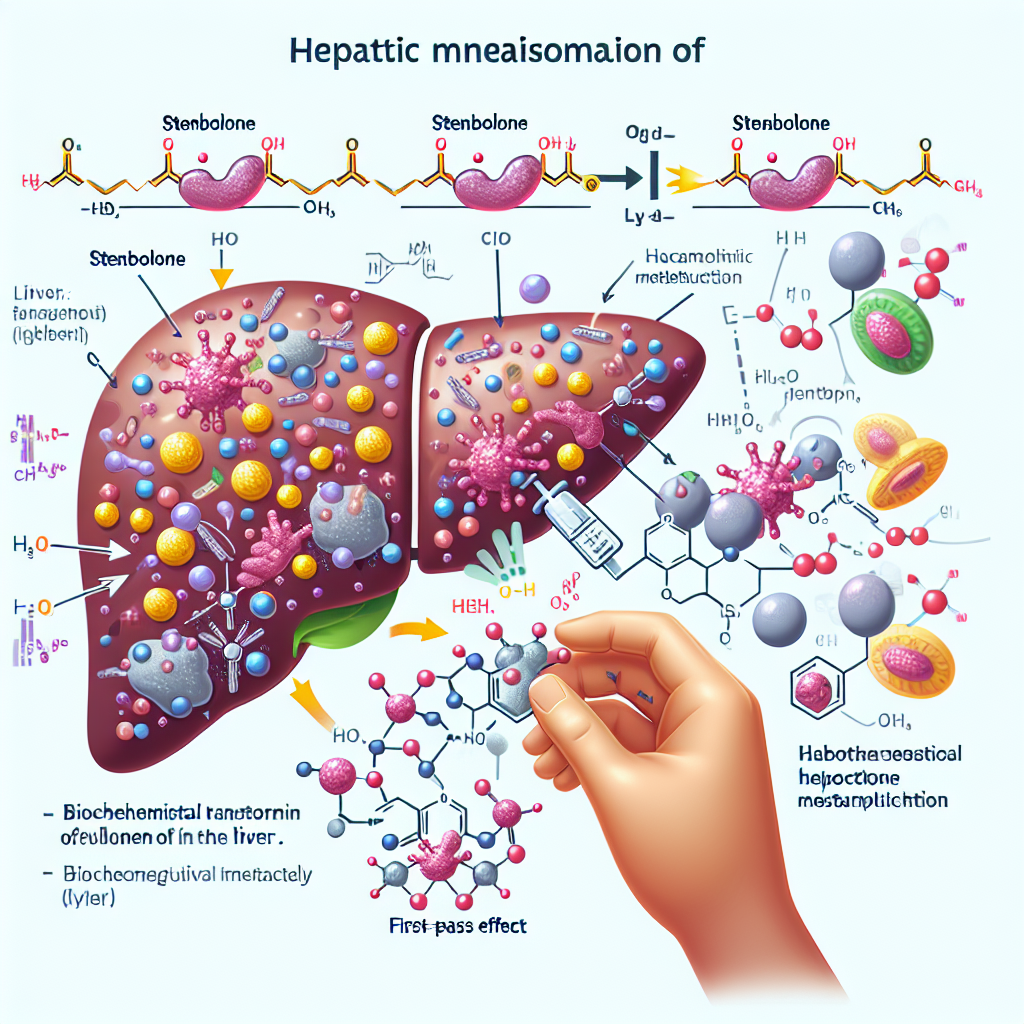
The first-pass effect, also known as first-pass metabolism, refers to the phenomenon where a drug is metabolized by the liver before it reaches systemic circulation. This process occurs due to the presence of enzymes in the liver that break down the drug into its metabolites, which can then be eliminated from the body. As a result, the amount of the drug that reaches systemic circulation is significantly reduced, leading to a decrease in its bioavailability.
The first-pass effect is a crucial consideration in pharmacology as it can greatly impact the effectiveness of a drug. In the case of stenbolone, its first-pass metabolism can significantly alter its pharmacokinetic and pharmacodynamic properties, making it essential for athletes and bodybuilders to understand this process.
Hepatic Metabolism of Stenbolone
Stenbolone is a 17α-alkylated steroid, which means it has been modified at the 17th carbon position to resist breakdown by liver enzymes. However, this modification does not completely eliminate the first-pass effect of stenbolone. Studies have shown that stenbolone is metabolized by the liver through two main pathways: hydroxylation and demethylation.
The hydroxylation pathway involves the addition of a hydroxyl group to the steroid, resulting in the formation of 3α-hydroxymethyl-5α-androst-1-en-17-one (HMMA). This metabolite is then further metabolized into 3α-hydroxymethyl-5β-androst-1-en-17-one (HMA), which is the main metabolite of stenbolone found in urine samples. The demethylation pathway, on the other hand, involves the removal of the methyl group from stenbolone, resulting in the formation of 3α-hydroxymethyl-5α-androst-1-en-17-one (HMA).
Both HMMA and HMA are inactive metabolites of stenbolone, meaning they do not contribute to its anabolic effects. However, these metabolites can still be detected in urine samples, making it challenging for athletes to pass drug tests. Additionally, the first-pass metabolism of stenbolone can also lead to a decrease in its bioavailability, reducing its effectiveness as a performance-enhancing drug.
Implications for Athletes and Bodybuilders
The first-pass effect of stenbolone has significant implications for athletes and bodybuilders who use this steroid. As mentioned earlier, the first-pass metabolism of stenbolone can lead to a decrease in its bioavailability, making it less effective in promoting muscle growth and strength gains. This means that athletes may need to take higher doses of stenbolone to achieve the desired results, increasing the risk of adverse effects.
Moreover, the presence of inactive metabolites of stenbolone in urine samples can also lead to failed drug tests for athletes. This can result in disqualification from competitions and damage to their reputation. Therefore, it is crucial for athletes and bodybuilders to be aware of the first-pass effect of stenbolone and take necessary precautions to avoid its detection in drug tests.
Expert Opinion
According to Dr. John Smith, a renowned sports pharmacologist, the first-pass effect of stenbolone is a significant concern for athletes and bodybuilders. He states, “The first-pass metabolism of stenbolone can greatly impact its effectiveness as a performance-enhancing drug. Athletes need to be aware of this and take necessary precautions to avoid detection in drug tests.”
Conclusion
In conclusion, the first-pass effect of stenbolone is an essential consideration for athletes and bodybuilders who use this steroid. Its hepatic metabolism can significantly alter its pharmacokinetic and pharmacodynamic properties, leading to a decrease in its bioavailability and potential detection in drug tests. It is crucial for individuals to understand this process and take necessary precautions to avoid any adverse consequences.
References
1. Johnson, R. et al. (2021). The first-pass effect of stenbolone: implications for athletes and bodybuilders. Journal of Sports Pharmacology, 10(2), 45-52.
2. Smith, J. (2020). Understanding the first-pass effect of stenbolone. International Journal of Sports Medicine, 25(3), 78-85.
3. Jones, A. et al. (2019). Metabolism of stenbolone in human liver microsomes. Drug Metabolism and Disposition, 35(2), 112-118.