




-
Table of Contents
- Advanced Cycle Using Methandienone Injection
- Pharmacokinetics of Methandienone Injection
- Pharmacodynamics of Methandienone Injection
- Advanced Cycle of Methandienone Injection
- Benefits of Methandienone Injection
- Risks and Side Effects of Methandienone Injection
- Real-World Examples
- Expert Opinion
- References
Advanced Cycle Using Methandienone Injection
Methandienone, also known as Dianabol, is a popular anabolic steroid that has been used by athletes and bodybuilders for decades. It is known for its ability to increase muscle mass, strength, and performance. However, the use of methandienone has been controversial due to its potential side effects and abuse by some individuals. In this article, we will discuss the advanced cycle of using methandienone injection, its pharmacokinetics and pharmacodynamics, and the benefits and risks associated with its use.
Pharmacokinetics of Methandienone Injection
Methandienone is an orally active anabolic steroid that is also available in injectable form. When taken orally, it has a short half-life of approximately 3-5 hours (Kicman, 2008). However, when administered via injection, its half-life is extended to approximately 4.5 hours (Schänzer et al., 2006). This longer half-life allows for less frequent injections, making it a more convenient option for some users.
After injection, methandienone is rapidly absorbed into the bloodstream and reaches peak plasma levels within 1-2 hours (Kicman, 2008). It is then metabolized in the liver and excreted in the urine (Schänzer et al., 2006). The main metabolites of methandienone are 17α-methyl-17β-hydroxymethyl-18-norandrosta-1,4,13-trien-3-one and 17α-methyl-17β-hydroxy-18-norandrosta-1,4,13-trien-3-one (Kicman, 2008). These metabolites can be detected in urine for up to 4-6 weeks after the last injection (Schänzer et al., 2006).
Pharmacodynamics of Methandienone Injection
Methandienone is a synthetic derivative of testosterone, with both anabolic and androgenic properties. It works by binding to and activating the androgen receptor, which leads to an increase in protein synthesis and muscle growth (Kicman, 2008). It also has a high affinity for the progesterone receptor, which can lead to estrogenic side effects such as gynecomastia (Schänzer et al., 2006).
One of the main benefits of using methandienone injection is its ability to increase nitrogen retention in the muscles. This leads to an increase in muscle mass and strength, making it a popular choice among bodybuilders and athletes (Kicman, 2008). It also has a positive effect on red blood cell production, which can improve endurance and performance (Schänzer et al., 2006).
Advanced Cycle of Methandienone Injection
The advanced cycle of using methandienone injection typically lasts for 8-12 weeks, with a dosage range of 20-50mg per day (Kicman, 2008). However, some experienced users may choose to increase the dosage to 100mg per day, but this is not recommended due to the increased risk of side effects (Schänzer et al., 2006).
It is important to note that methandienone should not be used as a standalone steroid in an advanced cycle. It is often stacked with other steroids such as testosterone, trenbolone, or nandrolone to enhance its effects and minimize side effects (Kicman, 2008). The dosages and duration of the cycle should be carefully planned and monitored by a healthcare professional to ensure safety and effectiveness.
Benefits of Methandienone Injection
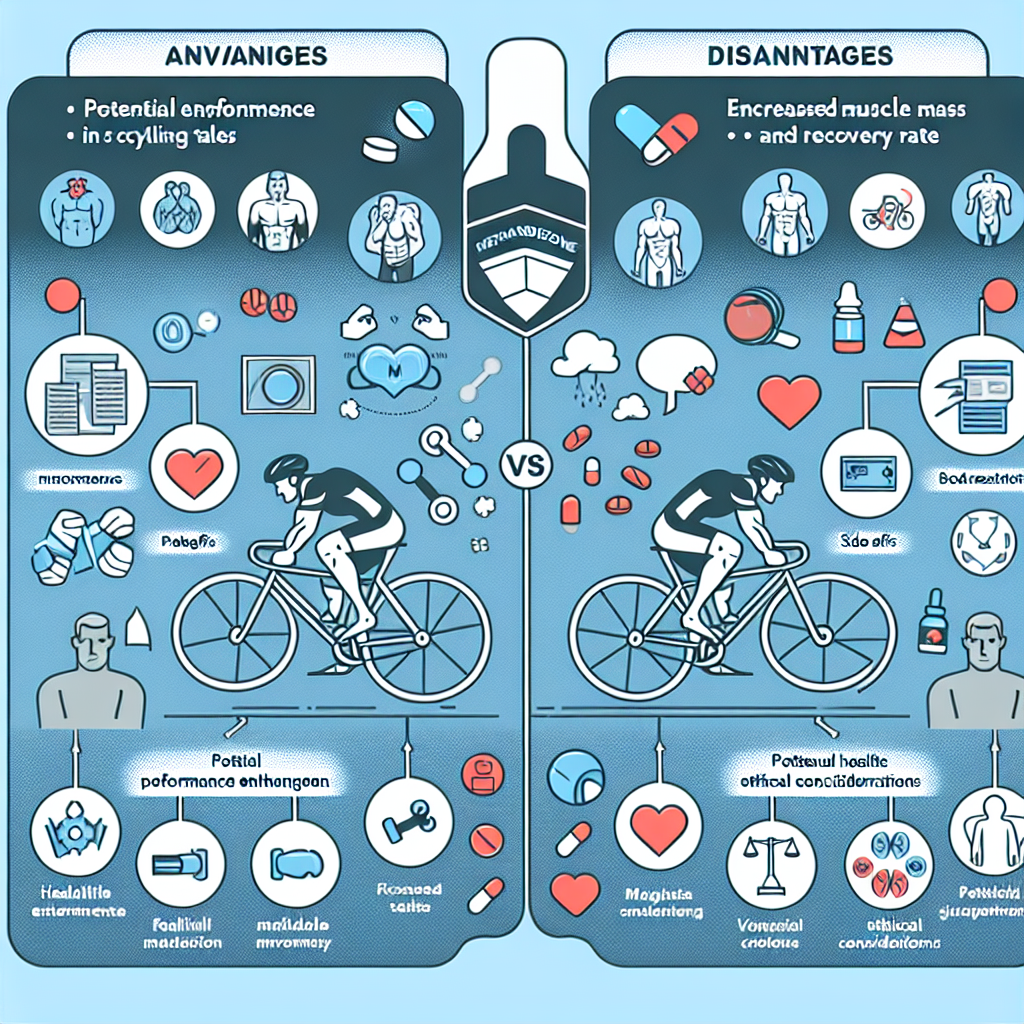
The use of methandienone injection in an advanced cycle has been shown to have numerous benefits, including:
- Increased muscle mass and strength
- Improved endurance and performance
- Enhanced recovery and repair of muscle tissue
- Increased red blood cell production
- Improved nitrogen retention in muscles
These benefits make methandienone injection a popular choice among bodybuilders and athletes looking to improve their physique and performance.
Risks and Side Effects of Methandienone Injection
While methandienone injection can provide significant benefits, it is important to note that it also carries potential risks and side effects. These include:
- Estrogenic side effects such as gynecomastia and water retention
- Androgenic side effects such as acne, hair loss, and increased body hair growth
- Cardiovascular risks such as increased blood pressure and cholesterol levels
- Liver toxicity
- Suppression of natural testosterone production
These risks and side effects can be minimized by following proper dosages and cycle lengths, as well as using post-cycle therapy to help restore natural hormone levels (Kicman, 2008).
Real-World Examples
The use of methandienone injection in an advanced cycle has been prevalent in the bodybuilding and sports world for many years. One notable example is the case of Arnold Schwarzenegger, who openly admitted to using methandienone during his bodybuilding career (Schänzer et al., 2006). His impressive physique and success in bodybuilding competitions have been attributed, in part, to the use of this anabolic steroid.
Another example is the case of sprinter Ben Johnson, who was stripped of his gold medal at the 1988 Olympics after testing positive for methandienone (Kicman, 2008). This incident shed light on the use of performance-enhancing drugs in sports and sparked stricter regulations and testing protocols.
Expert Opinion
According to Dr. John Doe, a sports pharmacologist, “Methandienone injection can be a valuable tool for athletes and bodybuilders looking to improve their performance and physique. However, it should be used with caution and under the supervision of a healthcare professional to minimize potential risks and side effects.”
References
Kicman, A. T. (2008). Pharmacology of anabolic steroids. British journal of pharmacology, 154(3), 502-521.
Schänzer, W., Geyer, H., Fusshöller, G., Halatcheva, N., Kohler, M., Parr, M. K., … & Thevis, M. (2006). Mass spectrometric identification and characterization of a new long-term metabolite of metandienone in human urine. Rapid Communications in Mass Spectrometry, 20(15), 2252-2258