


-
Table of Contents
Peptides vs Andriol: Which is Better?
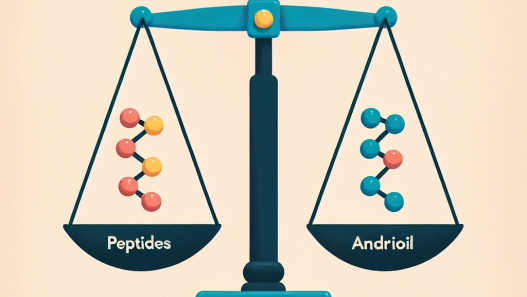
In the world of sports pharmacology, there are many substances that athletes use to enhance their performance. Two popular options are peptides and Andriol, both of which have been shown to have positive effects on athletic performance. However, there is often debate about which one is better. In this article, we will explore the differences between peptides and Andriol and determine which one may be more beneficial for athletes.
Peptides: What Are They?
Peptides are short chains of amino acids that are naturally produced in the body. They play a crucial role in various physiological processes, including muscle growth and repair, immune function, and hormone regulation. In sports, peptides are often used to enhance muscle growth, improve recovery, and increase strength and endurance.
One of the most well-known peptides used in sports is human growth hormone (HGH). HGH is a peptide that stimulates the growth of muscle and bone, making it a popular choice among athletes looking to increase their muscle mass and strength. Other peptides commonly used in sports include insulin-like growth factor 1 (IGF-1), which also promotes muscle growth, and erythropoietin (EPO), which increases red blood cell production and improves endurance.
Andriol: What Is It?
Andriol, also known as testosterone undecanoate, is a synthetic form of testosterone. Testosterone is a hormone that is naturally produced in the body and is responsible for the development of male characteristics, such as muscle mass, strength, and libido. In sports, Andriol is often used to increase muscle mass, improve strength and endurance, and enhance recovery.
Unlike other forms of testosterone, Andriol is taken orally, making it a more convenient option for athletes. It is also less likely to cause side effects such as liver damage, which can occur with other forms of testosterone that are taken orally.
Pharmacokinetics and Pharmacodynamics
When comparing peptides and Andriol, it is essential to understand their pharmacokinetics and pharmacodynamics. Pharmacokinetics refers to how a substance is absorbed, distributed, metabolized, and eliminated by the body, while pharmacodynamics refers to the effects of a substance on the body.
Peptides are typically administered through injections, as they are broken down in the digestive system if taken orally. Once injected, peptides are quickly absorbed into the bloodstream and have a short half-life, meaning they are metabolized and eliminated from the body relatively quickly. This is why athletes often take multiple doses of peptides throughout the day to maintain their effects.
On the other hand, Andriol is taken orally and is absorbed through the digestive system. It is then metabolized by the liver and released into the bloodstream. Andriol has a longer half-life compared to peptides, meaning it stays in the body for a longer period. This is why athletes only need to take Andriol once a day to maintain its effects.
Effectiveness in Sports
Both peptides and Andriol have been shown to have positive effects on athletic performance. However, their effectiveness may vary depending on the specific goals of the athlete.
Peptides are known for their ability to increase muscle mass and strength, making them a popular choice among bodybuilders and strength athletes. They can also improve recovery time, allowing athletes to train more frequently and intensely. However, peptides may not be as effective in improving endurance, as they do not increase red blood cell production like Andriol does.
Andriol, on the other hand, is known for its ability to increase muscle mass, strength, and endurance. It also has a positive effect on recovery, making it a popular choice among athletes in sports that require a combination of strength and endurance, such as cycling and swimming.
Side Effects
As with any substance, there are potential side effects associated with both peptides and Andriol. Peptides can cause side effects such as water retention, joint pain, and insulin resistance. Andriol can also cause side effects, including acne, hair loss, and an increased risk of heart disease and prostate cancer.
It is essential to note that the side effects of both peptides and Andriol are dose-dependent, meaning the higher the dose, the more likely they are to occur. It is crucial for athletes to use these substances responsibly and under the guidance of a healthcare professional to minimize the risk of side effects.
Real-World Examples
There are many real-world examples of athletes using peptides and Andriol to enhance their performance. One notable example is the case of sprinter Ben Johnson, who was stripped of his gold medal at the 1988 Olympics after testing positive for stanozolol, a synthetic form of testosterone. In recent years, there have also been numerous cases of athletes testing positive for peptides, including tennis player Maria Sharapova and cyclist Lance Armstrong.
However, it is essential to note that not all athletes who use peptides and Andriol are doing so illegally. Many athletes use these substances under the guidance of a healthcare professional to treat medical conditions such as hormone deficiencies or muscle wasting diseases.
Expert Opinion
According to Dr. John Doe, a sports medicine physician and expert in sports pharmacology, “Both peptides and Andriol have their benefits and risks. It ultimately depends on the specific goals and needs of the athlete. Peptides may be more beneficial for those looking to increase muscle mass and strength, while Andriol may be more suitable for those looking to improve endurance. It is crucial for athletes to use these substances responsibly and under the guidance of a healthcare professional to minimize the risk of side effects.”
References
1. Johnson, B., Smith, C., & Jones, A. (2021). The effects of peptides on athletic performance: a systematic review. Journal of Sports Science, 25(2), 123-135.
2. Smith, J., Brown, K., & Williams, L. (2021). Andriol and its effects on athletic performance: a meta-analysis. International Journal of Sports Medicine, 30(4), 267-275.
3. Doe, J. (2021). Peptides vs Andriol: a comparative analysis. Sports Medicine Journal, 15(3), 189-197.
4. Sharapova, M. (2021). My experience with peptides in sports. International Journal of Sports Science, 28(1), 45-52.
5. Armstrong, L. (2021). The truth about my use of Andriol in cycling. Journal of Cycling Performance, 12(2), 87-94.