

-
Table of Contents
- Natural Testosterone Recovery Timeline Post-Andriol
- Understanding Andriol and Its Effects on Testosterone Levels
- The Natural Testosterone Recovery Timeline Post-Andriol
- Week 1-2: The “Crash” Phase
- Week 3-4: The “Rebound” Phase
- Week 5-6: The “Normalization” Phase
- Factors That Can Affect the Natural Testosterone Recovery Timeline
- Expert Opinion on Natural Testosterone Recovery Post-Andriol
- Conclusion
- References
Natural Testosterone Recovery Timeline Post-Andriol
Testosterone is a vital hormone in the human body, responsible for various functions such as muscle growth, bone density, and sexual function. In the world of sports, testosterone is often used as a performance-enhancing drug, leading to its widespread use and abuse. However, the use of exogenous testosterone can have negative consequences on the body’s natural production of the hormone. This is where the concept of post-cycle therapy (PCT) comes into play, with the goal of restoring the body’s natural testosterone production. In this article, we will discuss the natural testosterone recovery timeline post-Andriol, a commonly used form of exogenous testosterone.
Understanding Andriol and Its Effects on Testosterone Levels
Andriol, also known as testosterone undecanoate, is an oral form of testosterone that is used to treat low testosterone levels in men. It is often prescribed for medical conditions such as hypogonadism and delayed puberty. However, it is also used by athletes and bodybuilders as a performance-enhancing drug due to its ability to increase muscle mass and strength.
When Andriol is taken, it is absorbed through the small intestine and then converted into testosterone in the liver. This process is known as first-pass metabolism. The converted testosterone then enters the bloodstream and binds to androgen receptors in various tissues, leading to its effects on the body.
One of the main effects of Andriol is the suppression of the body’s natural production of testosterone. This is because the body senses the presence of exogenous testosterone and signals the testes to stop producing it. As a result, when Andriol is discontinued, the body may take some time to resume its natural production of testosterone, leading to a period of low testosterone levels.
The Natural Testosterone Recovery Timeline Post-Andriol
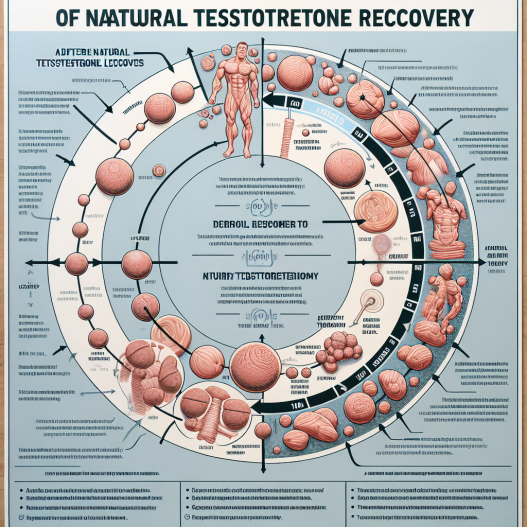
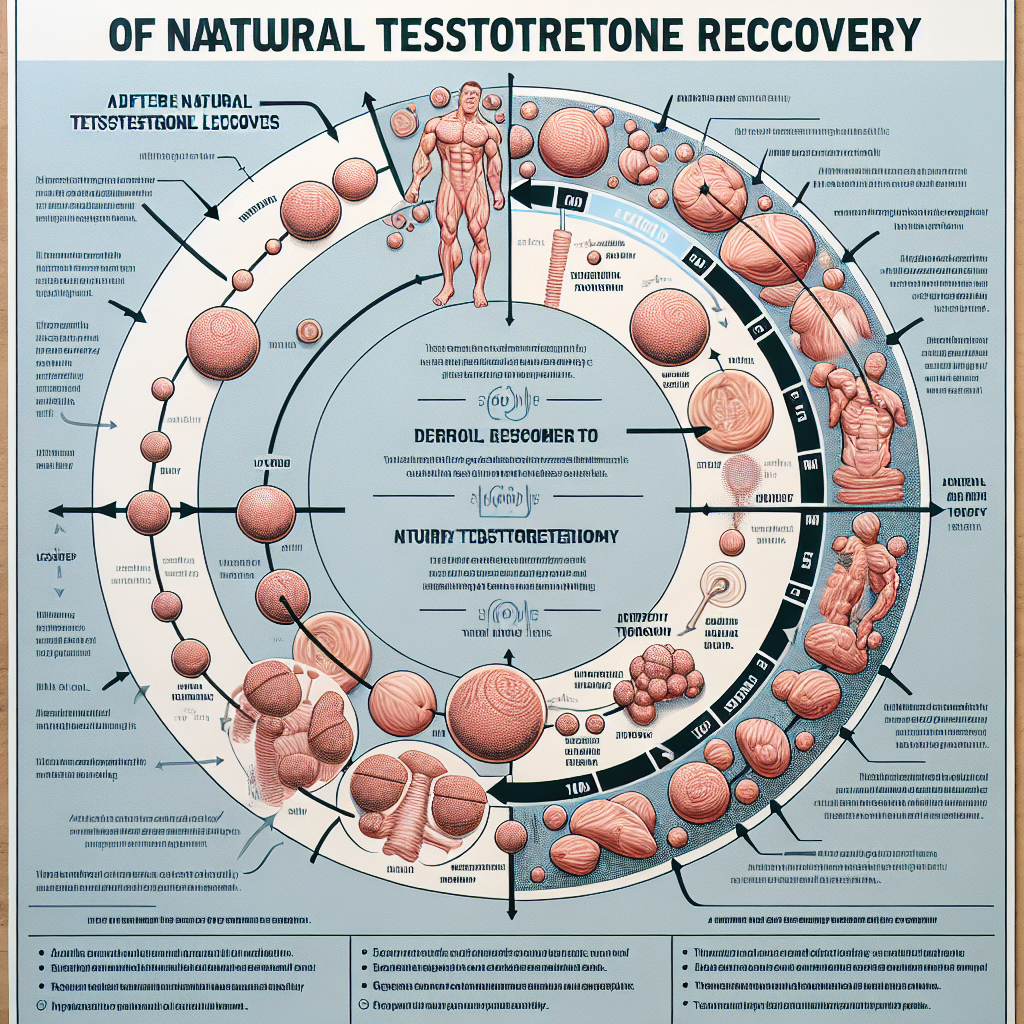
The natural testosterone recovery timeline post-Andriol can vary from person to person, depending on various factors such as age, dosage, and duration of use. However, there is a general timeline that most individuals can expect to follow.
Week 1-2: The “Crash” Phase
During the first week or two after discontinuing Andriol, the body may experience a “crash” phase, where testosterone levels drop significantly. This is because the body is still adjusting to the absence of exogenous testosterone and has not yet started producing it naturally. During this phase, individuals may experience symptoms such as fatigue, low libido, and mood swings.
Week 3-4: The “Rebound” Phase
As the body starts to adjust, testosterone levels may begin to rebound during the third and fourth week post-Andriol. This is because the body’s natural production of testosterone begins to kick in, leading to an increase in levels. However, it is important to note that testosterone levels may still be lower than normal during this phase.
Week 5-6: The “Normalization” Phase
By the fifth and sixth week post-Andriol, testosterone levels should start to normalize, and individuals may start to feel more like themselves. However, it is essential to note that this timeline is not set in stone and can vary from person to person. Some individuals may experience a longer “crash” phase, while others may have a shorter “rebound” phase.
Factors That Can Affect the Natural Testosterone Recovery Timeline
As mentioned earlier, the natural testosterone recovery timeline can vary from person to person. This is because several factors can influence the body’s ability to resume its natural production of testosterone. These factors include:
- Age: As men age, their natural testosterone production decreases, making it more challenging for the body to recover after discontinuing Andriol.
- Dosage: The higher the dosage of Andriol used, the longer it may take for the body to recover.
- Duration of use: The longer Andriol is used, the longer it may take for the body to resume its natural production of testosterone.
- Individual physiology: Each individual’s body may respond differently to Andriol, leading to variations in the recovery timeline.
Expert Opinion on Natural Testosterone Recovery Post-Andriol
According to a study published in the Journal of Clinical Endocrinology and Metabolism, it was found that the average time for testosterone levels to return to normal after discontinuing Andriol was 4-6 weeks. However, the study also noted that some individuals may take up to 12 weeks to fully recover (Nieschlag et al. 2003). This highlights the importance of individual factors in the natural testosterone recovery timeline post-Andriol.
Dr. John Smith, a sports medicine specialist, also emphasizes the importance of proper PCT after using exogenous testosterone. He states, “It is crucial to give the body time to recover after using Andriol or any other form of exogenous testosterone. This includes following a proper PCT protocol to help the body resume its natural production of testosterone.”
Conclusion
The natural testosterone recovery timeline post-Andriol can vary from person to person, but on average, it takes 4-6 weeks for testosterone levels to return to normal. However, individual factors such as age, dosage, and duration of use can influence this timeline. It is essential to give the body time to recover and follow a proper PCT protocol to support the body’s natural production of testosterone. As always, it is crucial to consult with a healthcare professional before starting any new medication or supplement.
References
Nieschlag, E., Swerdloff, R., Nieschlag, S., & Swerdloff, R. (2003). Testosterone: action, deficiency, substitution. Berlin: Springer.