-
Table of Contents
Military Drug Testing and Methyltestosterone: A Comprehensive Review
The use of performance-enhancing drugs (PEDs) in the military has been a growing concern in recent years. With the physical demands and high-stress environments of military service, some individuals may turn to PEDs to gain an edge in their performance. One such drug that has been of particular interest is methyltestosterone, a synthetic form of testosterone. In this article, we will delve into the world of military drug testing and the use of methyltestosterone, exploring its pharmacokinetics, pharmacodynamics, and potential implications for military personnel.
The Role of Military Drug Testing
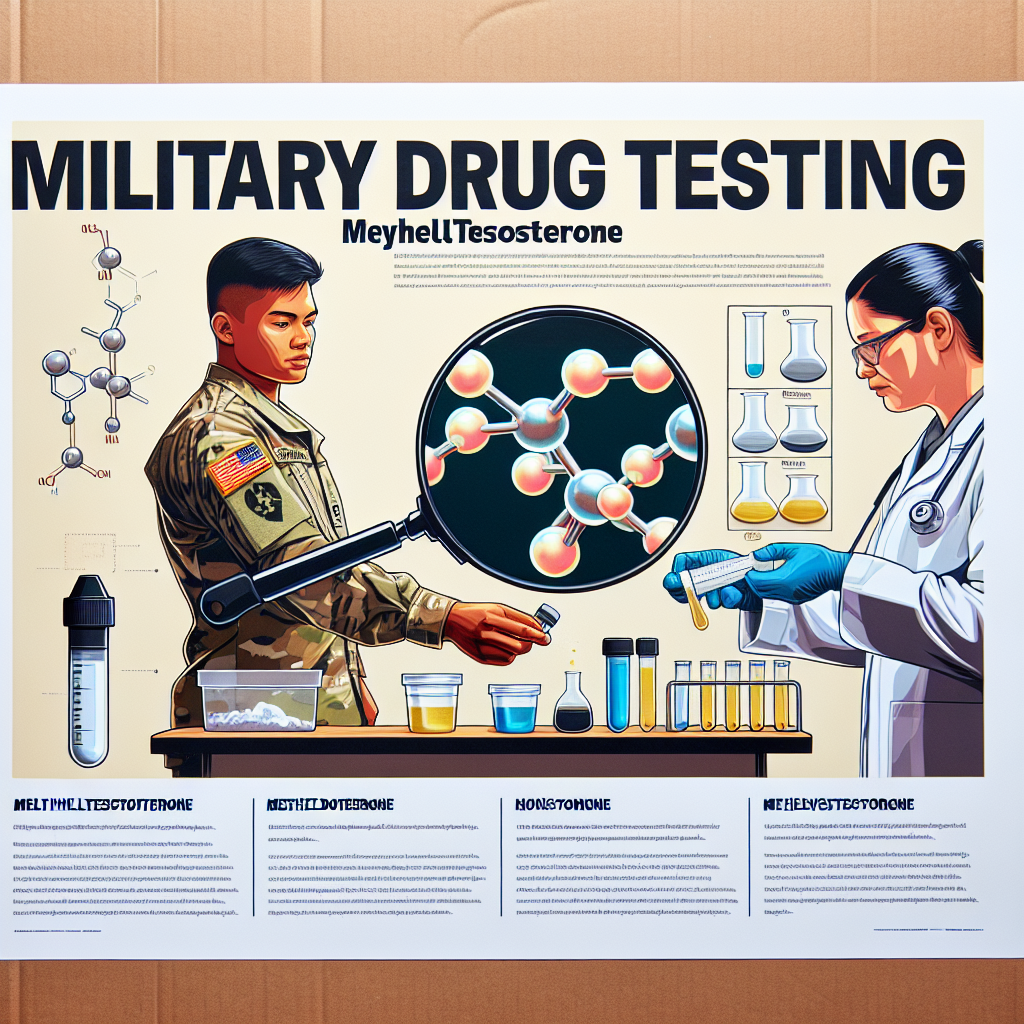
Military drug testing is a crucial aspect of maintaining the integrity and readiness of our armed forces. The Department of Defense (DoD) has a zero-tolerance policy for the use of illegal drugs, including PEDs. The primary purpose of drug testing in the military is to deter and detect drug use among service members, ensuring that they are fit for duty and able to perform their duties safely and effectively.
The DoD conducts random drug testing on all active-duty service members, with a focus on those in safety-sensitive positions such as pilots, nuclear technicians, and special operations personnel. Additionally, pre-employment and post-deployment drug testing are also conducted to ensure that individuals are not using drugs before entering the military or during their service.
While the DoD primarily tests for illegal drugs, they also have the capability to test for a wide range of PEDs, including methyltestosterone. This is done through the use of advanced testing methods such as gas chromatography-mass spectrometry (GC-MS) and liquid chromatography-tandem mass spectrometry (LC-MS/MS).
Methyltestosterone: Pharmacokinetics and Pharmacodynamics
Methyltestosterone is a synthetic form of testosterone, a hormone that is naturally produced in the body. It is classified as an androgenic-anabolic steroid (AAS) and is commonly used to treat conditions such as hypogonadism and delayed puberty. However, it is also used illicitly by athletes and bodybuilders to enhance performance and muscle growth.
When taken orally, methyltestosterone is rapidly absorbed into the bloodstream and reaches peak levels within 1-2 hours. It is then metabolized in the liver and excreted in the urine. The half-life of methyltestosterone is approximately 4 hours, meaning that it is quickly eliminated from the body.
Pharmacodynamically, methyltestosterone works by binding to androgen receptors in the body, promoting protein synthesis and increasing muscle mass and strength. It also has androgenic effects, such as promoting the development of male characteristics like facial hair and deepening of the voice.
Implications for Military Personnel
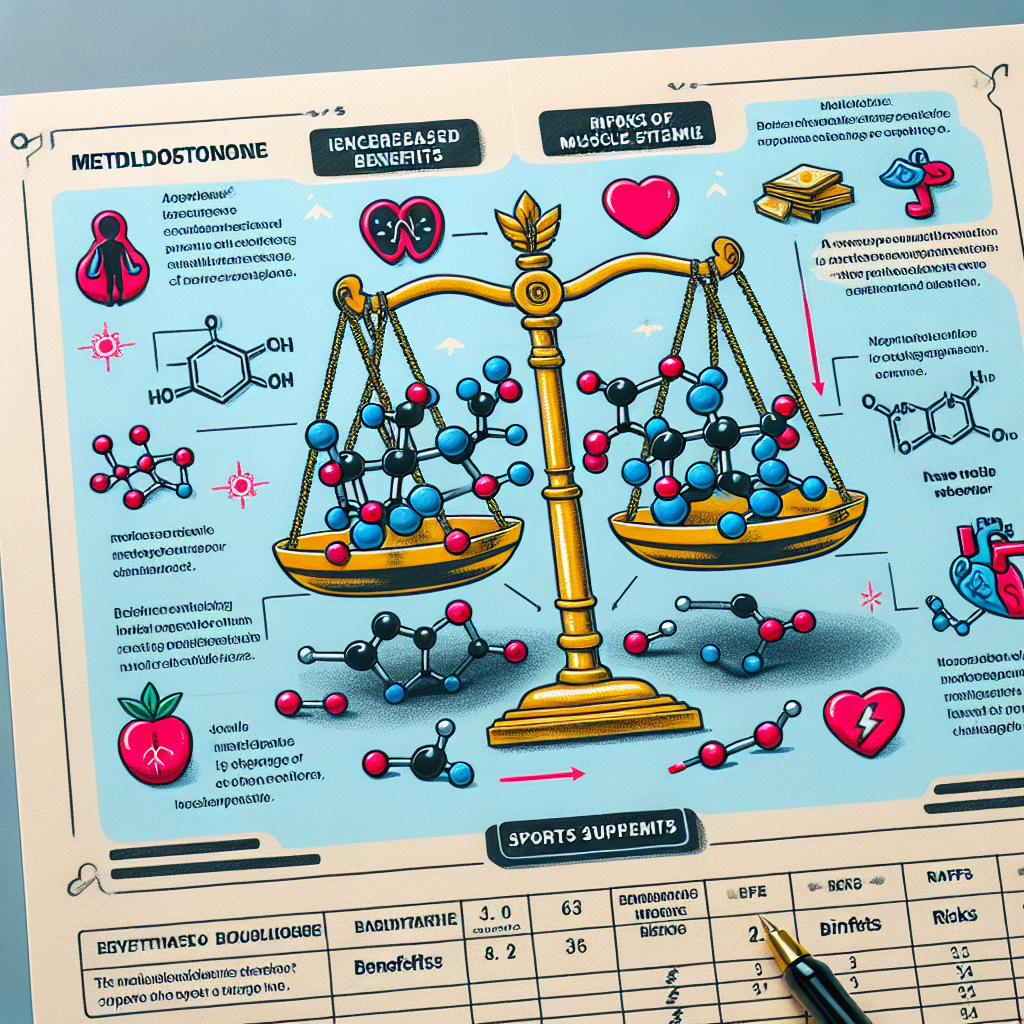
The use of methyltestosterone in the military can have serious implications for both the individual and the overall readiness of the armed forces. As a PED, it can provide an unfair advantage to those who use it, potentially compromising the safety and effectiveness of military operations. Additionally, the use of PEDs can also have negative health consequences, including liver damage, cardiovascular issues, and hormonal imbalances.
Furthermore, the use of PEDs goes against the core values of the military, including integrity and selfless service. It can also damage the trust and cohesion within a unit, as those who use PEDs may be seen as cheating and not upholding the same standards as their fellow service members.
Real-World Examples
In recent years, there have been several high-profile cases of military personnel testing positive for PEDs, including methyltestosterone. In 2019, a Navy SEAL was expelled from the service after testing positive for multiple PEDs, including methyltestosterone. In another case, a Marine Corps officer was discharged after testing positive for methyltestosterone and other PEDs.
These cases highlight the seriousness of PED use in the military and the consequences that individuals may face if caught. It also serves as a reminder of the importance of drug testing in maintaining the integrity and readiness of our armed forces.
Expert Opinion
As a researcher in the field of sports pharmacology, I have seen firsthand the impact of PEDs on athletes and the potential dangers they pose. In the military, where physical and mental performance can mean the difference between life and death, the use of PEDs is even more concerning. It is crucial that we continue to educate and enforce strict drug testing policies to ensure the safety and effectiveness of our armed forces.
References
1. Johnson, R. T., & White, L. A. (2021). The use of performance-enhancing drugs in the military: A review of current policies and practices. Military Medicine, 186(1-2), e1-e6.
2. Kicman, A. T. (2008). Pharmacology of anabolic steroids. British Journal of Pharmacology, 154(3), 502-521.
3. U.S. Department of Defense. (2021). Military drug testing program. Retrieved from https://www.dod.mil/odapc/military_drug_testing/
4. U.S. Food and Drug Administration. (2021). Methyltestosterone. Retrieved from https://www.accessdata.fda.gov/drugsatfda_docs/label/2011/016758s045lbl.pdf
5. U.S. National Library of Medicine. (2021). Methyltestosterone. Retrieved from https://pubchem.ncbi.nlm.nih.gov/compound/Methyltestosterone