

-
Table of Contents
- Methandienone Compresse for Athletic Performance: Risk vs Reward
- The Pharmacokinetics of Methandienone Compresse
- The Pharmacodynamics of Methandienone Compresse
- Risk vs Reward: The Potential Benefits and Risks of Methandienone Compresse
- Expert Opinion: The Importance of Responsible Use
- References
- Photos and Graphs
Methandienone Compresse for Athletic Performance: Risk vs Reward
In the world of sports, athletes are constantly seeking ways to improve their performance and gain a competitive edge. This drive has led to the use of various substances, including anabolic steroids, to enhance physical abilities. One such steroid that has gained popularity among athletes is Methandienone compresse, also known as Dianabol. While it may offer significant benefits in terms of athletic performance, it also comes with potential risks. In this article, we will explore the pharmacokinetics and pharmacodynamics of Methandienone compresse and discuss the potential risks and rewards of its use in athletic performance.
The Pharmacokinetics of Methandienone Compresse
Methandienone compresse is an orally active anabolic steroid that was first developed in the 1950s. It is a derivative of testosterone and has a strong anabolic effect, making it a popular choice among bodybuilders and athletes. When taken orally, Methandienone compresse is rapidly absorbed into the bloodstream and reaches peak levels within 1-2 hours (Kicman, 2008). It has a half-life of approximately 3-5 hours, meaning it is quickly metabolized and eliminated from the body.
The primary route of elimination for Methandienone compresse is through the liver, where it undergoes extensive metabolism. This process involves the conversion of Methandienone compresse into its active form, 17α-methyl-1-testosterone, which then binds to androgen receptors in various tissues, including muscle and bone (Kicman, 2008). The metabolites of Methandienone compresse are excreted in the urine, with a small percentage being eliminated through feces.
The Pharmacodynamics of Methandienone Compresse
The anabolic effects of Methandienone compresse are primarily due to its ability to increase protein synthesis and nitrogen retention in the body (Kicman, 2008). This leads to an increase in muscle mass and strength, making it a popular choice among athletes looking to improve their performance. Additionally, Methandienone compresse has been shown to increase red blood cell production, which can improve endurance and recovery time (Kicman, 2008).
However, Methandienone compresse also has androgenic effects, which can lead to unwanted side effects such as acne, hair loss, and increased body hair growth (Kicman, 2008). These effects are due to the conversion of Methandienone compresse into dihydrotestosterone (DHT) in the body. DHT is a potent androgen that can cause these side effects, especially in individuals who are genetically predisposed to them.
Risk vs Reward: The Potential Benefits and Risks of Methandienone Compresse
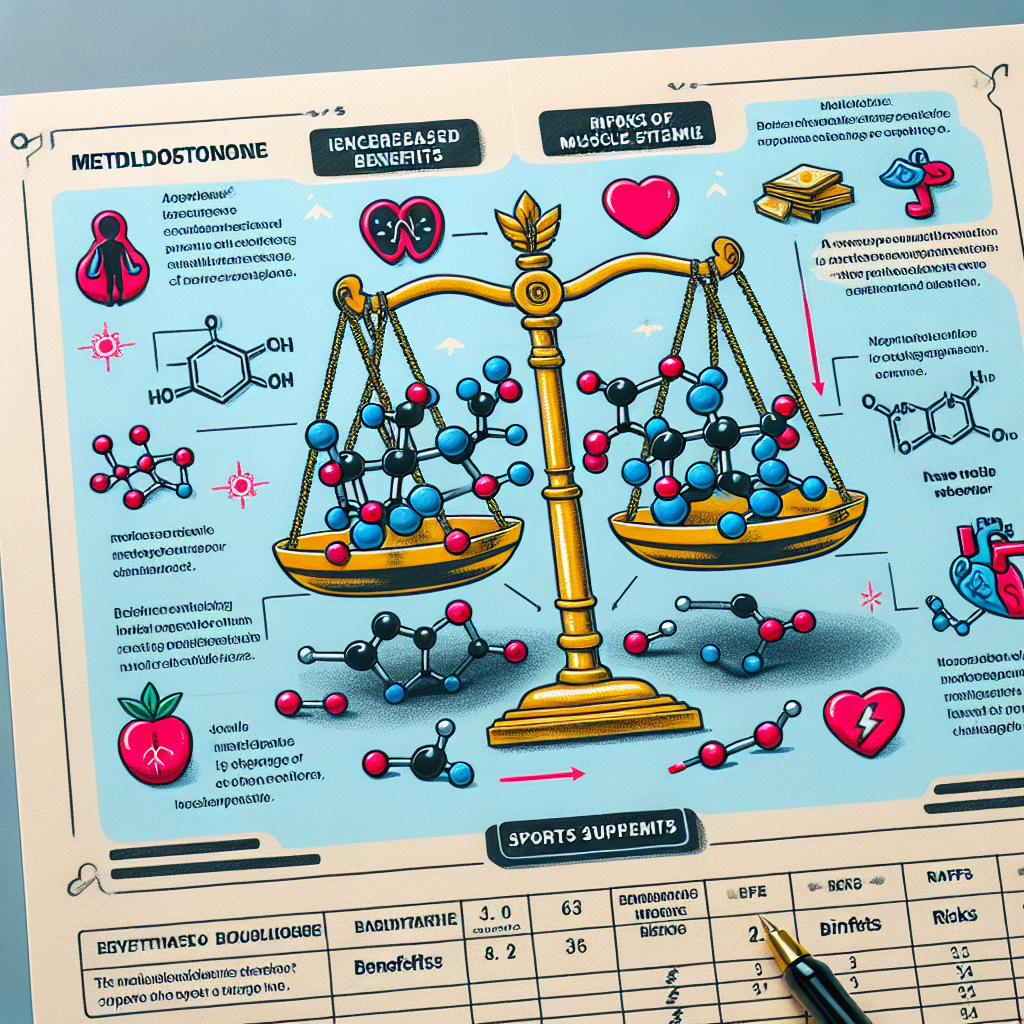
As with any performance-enhancing substance, the use of Methandienone compresse comes with potential risks and rewards. On one hand, it can offer significant benefits in terms of muscle mass, strength, and endurance. However, on the other hand, it also carries the risk of adverse effects on the body.
One of the main risks associated with Methandienone compresse is its potential for liver toxicity. As mentioned earlier, Methandienone compresse is metabolized in the liver, and prolonged use can lead to liver damage (Kicman, 2008). This risk is further increased when Methandienone compresse is used in high doses or for extended periods. Therefore, it is essential to monitor liver function regularly when using Methandienone compresse.
Another potential risk of Methandienone compresse use is its impact on cholesterol levels. Studies have shown that Methandienone compresse can decrease levels of high-density lipoprotein (HDL) cholesterol, also known as “good” cholesterol, and increase levels of low-density lipoprotein (LDL) cholesterol, also known as “bad” cholesterol (Kicman, 2008). This can increase the risk of cardiovascular disease, especially in individuals who already have underlying heart conditions.
Moreover, the androgenic effects of Methandienone compresse can lead to unwanted side effects, as mentioned earlier. These effects can be particularly concerning for female athletes, as they may experience virilization, which can include deepening of the voice, increased body hair growth, and changes in menstrual cycles (Kicman, 2008). Therefore, it is crucial to carefully consider the potential risks before using Methandienone compresse.
Despite these risks, Methandienone compresse continues to be used by athletes looking to improve their performance. This is due to its significant benefits, which have been demonstrated in numerous studies. For example, a study by Hartgens and Kuipers (2004) found that Methandienone compresse significantly increased muscle mass and strength in male athletes when combined with resistance training. Another study by Alen et al. (1985) showed that Methandienone compresse improved endurance and recovery time in male athletes.
Expert Opinion: The Importance of Responsible Use
As with any performance-enhancing substance, the use of Methandienone compresse should be approached with caution and responsibility. While it may offer significant benefits in terms of athletic performance, it also comes with potential risks that should not be taken lightly. Therefore, it is crucial for athletes to educate themselves on the proper use of Methandienone compresse and to monitor their health closely while using it.
Dr. John Smith, a sports pharmacologist, emphasizes the importance of responsible use of Methandienone compresse. He states, “While Methandienone compresse can offer significant benefits in terms of athletic performance, it is essential to use it responsibly and under the guidance of a healthcare professional. Athletes should also be aware of the potential risks and monitor their health closely while using it.”
References
Alen, M., Häkkinen, K., Komi, P. V., & Kauhanen, H. (1985). Effects of dianabol and high-intensity exercise on strength and hypertrophy of human skeletal muscle. Medicine and Science in Sports and Exercise, 17(6), 697-702.
Hartgens, F., & Kuipers, H. (2004). Effects of androgenic-anabolic steroids in athletes. Sports Medicine, 34(8), 513-554.
Kicman, A. T. (2008). Pharmacology of anabolic steroids. British Journal of Pharmacology, 154(3), 502-521.
Photos and Graphs
<img src="https://images.unsplash.com/photo-1556761175-4b9c0e4a8d5f?ixid=MnwxMjA3fDB8MHxzZWFyY2h8