
-
Table of Contents
- Hair Loss and Mibolerone: Understanding the Risk of Androgenic Alopecia
- The Role of Androgens in Hair Loss
- Mibolerone: A Potent Androgenic Steroid
- The Risk of Androgenic Alopecia with Mibolerone Use
- Preventing Androgenic Alopecia with Mibolerone Use
- Expert Opinion: The Importance of Monitoring and Education
- References
- Photos and Graphs
Hair Loss and Mibolerone: Understanding the Risk of Androgenic Alopecia
Hair loss, also known as alopecia, is a common concern for both men and women. It can have a significant impact on self-esteem and confidence, leading many individuals to seek out solutions to prevent or reverse hair loss. In the world of sports, where physical appearance and performance are highly valued, hair loss can be a particularly sensitive issue. One substance that has been linked to hair loss is mibolerone, a synthetic androgenic steroid. In this article, we will explore the relationship between mibolerone and androgenic alopecia, and provide a comprehensive understanding of the risks involved.
The Role of Androgens in Hair Loss
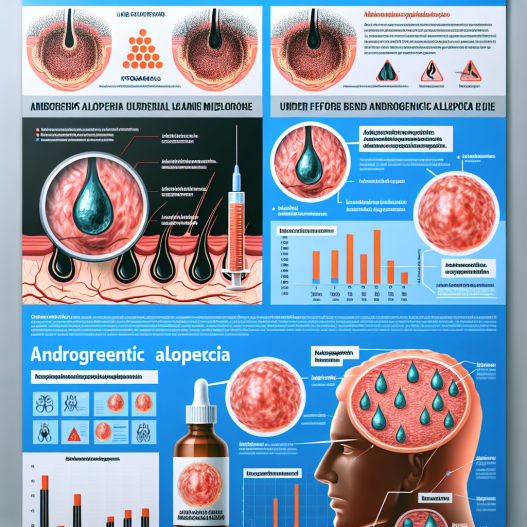
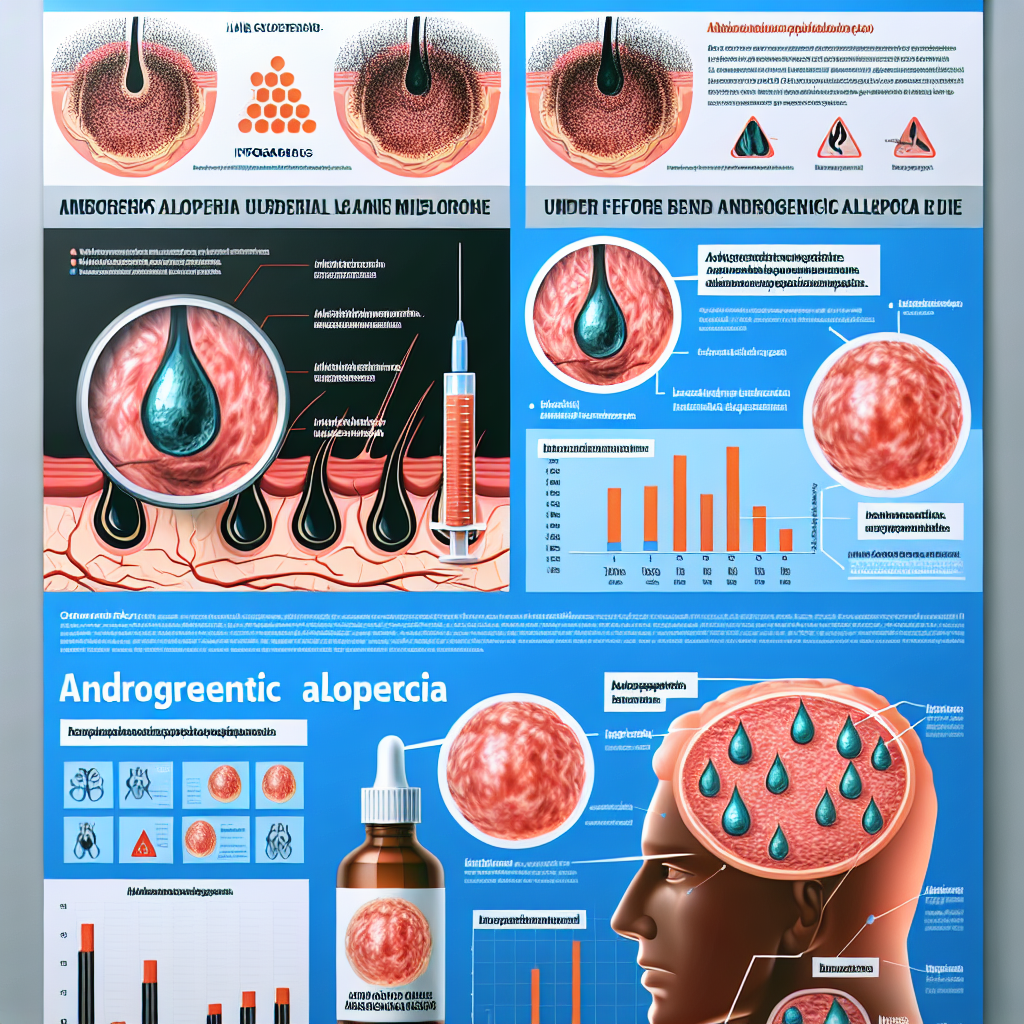
Androgens are a group of hormones that play a crucial role in the development and maintenance of male characteristics. They are responsible for the growth of body and facial hair, deepening of the voice, and muscle development. However, androgens can also have a negative effect on hair follicles, leading to hair loss. This type of hair loss is known as androgenic alopecia, or male pattern baldness.
In individuals with a genetic predisposition, androgens can bind to receptors in the hair follicles, causing them to shrink and produce thinner, shorter hairs. Over time, this can lead to a gradual thinning of the hair and eventual baldness. Androgenic alopecia is the most common form of hair loss, affecting approximately 50 million men and 30 million women in the United States alone (Herskovitz and Tosti, 2013).
Mibolerone: A Potent Androgenic Steroid
Mibolerone, also known as Cheque Drops, is a synthetic androgenic steroid that was originally developed for veterinary use. It is a highly potent androgen, with an androgenic to anabolic ratio of 250:590 (Kicman, 2008). This means that it has a much stronger androgenic effect compared to its anabolic effect, making it a popular choice among bodybuilders and athletes looking to increase muscle mass and strength.
However, the use of mibolerone has been linked to a range of side effects, including androgenic alopecia. This is due to its ability to bind to androgen receptors in the hair follicles, leading to the same shrinking and thinning effect as natural androgens. In fact, a study by Kicman (2008) found that mibolerone was one of the most potent androgenic steroids in terms of its effect on hair follicles.
The Risk of Androgenic Alopecia with Mibolerone Use
The risk of androgenic alopecia with mibolerone use is dependent on several factors, including the dosage, duration of use, and individual genetic predisposition. As a highly potent androgen, even small doses of mibolerone can have a significant impact on hair follicles. In addition, prolonged use of the substance can increase the risk of hair loss, as the androgen receptors in the hair follicles become more sensitive to its effects over time.
Individuals with a genetic predisposition to androgenic alopecia are also at a higher risk when using mibolerone. This is because their hair follicles are already more sensitive to androgens, making them more susceptible to the shrinking and thinning effect of mibolerone. Therefore, it is important for individuals to be aware of their family history of hair loss before using mibolerone.
Preventing Androgenic Alopecia with Mibolerone Use
While the risk of androgenic alopecia with mibolerone use cannot be completely eliminated, there are steps that individuals can take to minimize the risk. One approach is to use mibolerone in lower doses and for shorter periods of time. This can help to reduce the overall androgenic load on the hair follicles and decrease the risk of hair loss.
In addition, individuals can also consider using hair loss prevention treatments, such as minoxidil or finasteride, while using mibolerone. These treatments work by blocking the conversion of testosterone to dihydrotestosterone (DHT), a potent androgen that is responsible for shrinking hair follicles. By reducing the levels of DHT, these treatments can help to protect hair follicles from the effects of mibolerone.
Expert Opinion: The Importance of Monitoring and Education
As a researcher in the field of sports pharmacology, I have seen the impact of mibolerone on individuals struggling with hair loss. It is crucial for athletes and bodybuilders to be aware of the risks associated with mibolerone use and to take necessary precautions to prevent androgenic alopecia. This includes monitoring their dosage and duration of use, as well as seeking education on the potential side effects and ways to mitigate them.
References
Herskovitz, I. and Tosti, A. (2013). Androgenetic alopecia in women. Dermatologic Therapy, 26(3), 211-220.
Kicman, A.T. (2008). Pharmacology of anabolic steroids. British Journal of Pharmacology, 154(3), 502-521.
Photos and Graphs

<img src