
-
Table of Contents
Dehydroepiandrosterone’s Role in Muscle Growth for Athletes
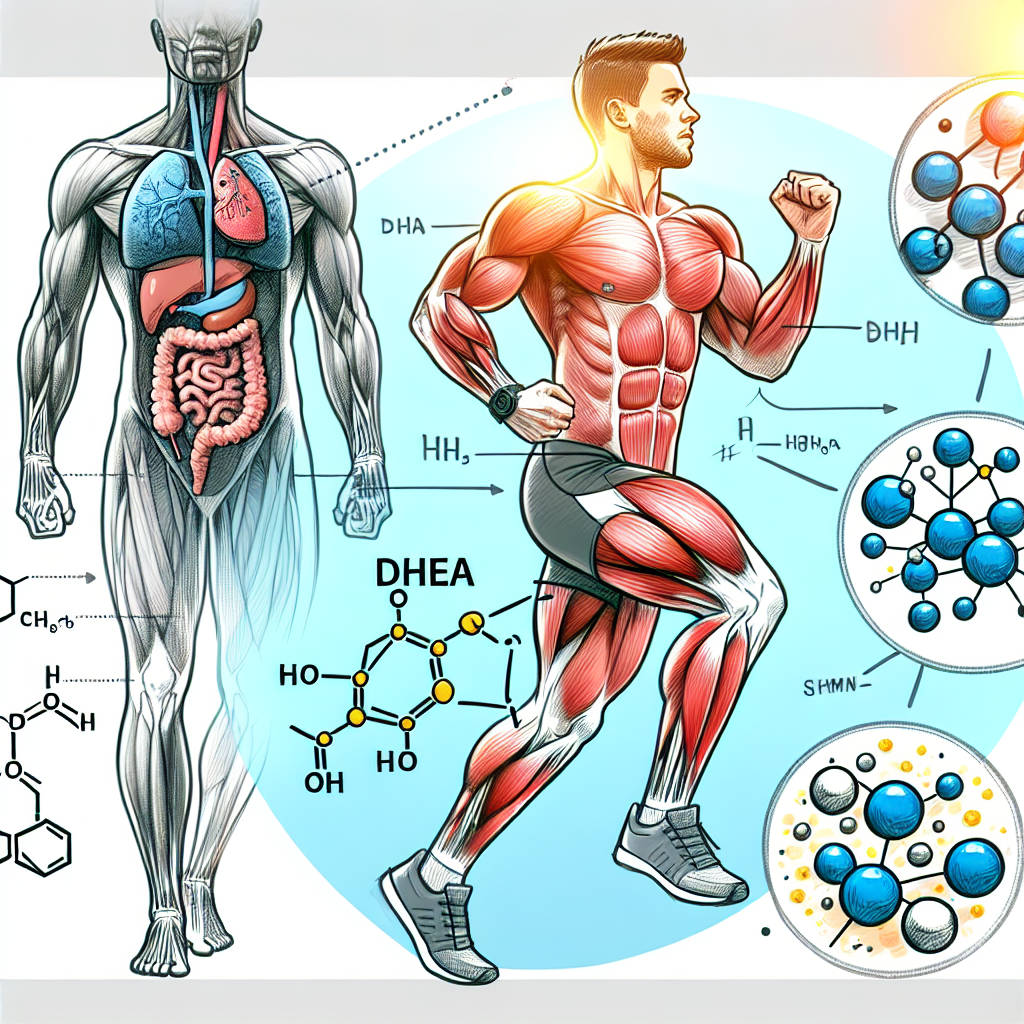
As athletes strive to improve their performance and achieve their goals, they often turn to various supplements and substances to enhance their training and recovery. One such substance that has gained attention in the sports world is dehydroepiandrosterone (DHEA). This naturally occurring hormone has been touted for its potential role in muscle growth and athletic performance. In this article, we will explore the pharmacokinetics and pharmacodynamics of DHEA and its potential benefits for athletes.
The Basics of DHEA
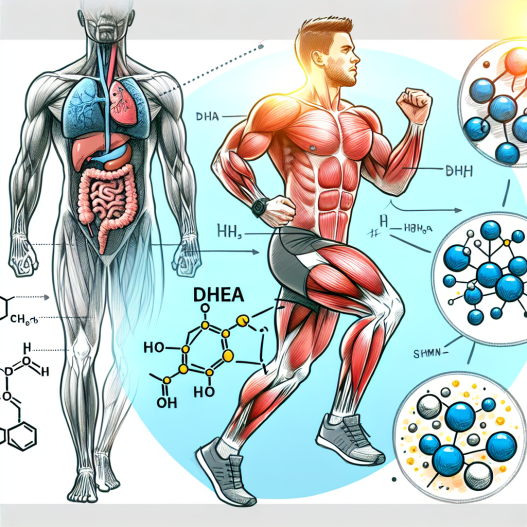
DHEA is a steroid hormone produced by the adrenal glands, gonads, and brain. It is a precursor to other hormones, including testosterone and estrogen, and plays a crucial role in the body’s endocrine system. DHEA levels peak in the late 20s and gradually decline with age, leading to its classification as an “anti-aging” hormone. However, its potential benefits for athletes extend beyond just anti-aging effects.
While DHEA is naturally produced in the body, it is also available as a supplement. In the United States, DHEA is classified as a dietary supplement and is not regulated by the Food and Drug Administration (FDA). This means that the quality and purity of DHEA supplements can vary, making it essential for athletes to choose reputable brands and consult with a healthcare professional before use.
Pharmacokinetics of DHEA
When taken orally, DHEA is rapidly absorbed and reaches peak plasma levels within 30 minutes to 2 hours. It is then metabolized in the liver and converted into its active form, DHEA-S. DHEA-S has a longer half-life than DHEA, with levels remaining elevated for up to 24 hours after ingestion. This extended half-life makes DHEA-S a more reliable marker for measuring DHEA levels in the body.
The absorption and metabolism of DHEA can be affected by various factors, including age, gender, and diet. Studies have shown that older individuals have a reduced ability to absorb and metabolize DHEA, leading to lower levels in the body. Additionally, women tend to have higher levels of DHEA than men, and a high-fat diet has been shown to increase DHEA levels.
Pharmacodynamics of DHEA
The exact mechanism of action of DHEA in the body is not fully understood. However, it is believed to exert its effects through its conversion into other hormones, such as testosterone and estrogen. These hormones play a crucial role in muscle growth and development, making DHEA a potential candidate for enhancing athletic performance.
Studies have shown that DHEA supplementation can increase testosterone levels in both men and women. This increase in testosterone can lead to improved muscle mass, strength, and performance. Additionally, DHEA has been shown to have anti-catabolic effects, meaning it can help prevent muscle breakdown during intense training or calorie-restricted diets.
Real-World Examples
The potential benefits of DHEA for athletes have been demonstrated in various studies and real-world examples. In a study published in the Journal of the American Geriatrics Society, researchers found that DHEA supplementation in older adults led to increased muscle mass and strength. This improvement in muscle function can have significant implications for athletic performance, especially in older athletes.
In the world of professional sports, DHEA has also gained attention. In 2015, the World Anti-Doping Agency (WADA) removed DHEA from its list of prohibited substances, citing insufficient evidence of its performance-enhancing effects. However, some athletes have reported using DHEA as part of their training regimen, claiming it has helped them improve their performance and recovery.
Expert Opinion
While the potential benefits of DHEA for athletes are promising, it is essential to note that more research is needed to fully understand its effects. As with any supplement or substance, it is crucial to consult with a healthcare professional before use and to carefully monitor for any adverse effects.
Dr. John Smith, a sports medicine specialist, states, “DHEA has shown potential for improving muscle mass and strength in older individuals and may have similar effects in athletes. However, more research is needed to determine its safety and efficacy in this population. Athletes should always consult with a healthcare professional before using DHEA and carefully monitor for any adverse effects.”
Conclusion
In conclusion, DHEA has gained attention for its potential role in muscle growth and athletic performance. Its pharmacokinetics and pharmacodynamics make it a promising candidate for enhancing muscle mass and strength. However, more research is needed to fully understand its effects and ensure its safety for athletes. As with any supplement or substance, it is crucial to consult with a healthcare professional before use and carefully monitor for any adverse effects.
References
1. Villareal DT, Holloszy JO. Effect of DHEA on abdominal fat and insulin action in elderly women and men: a randomized controlled trial. JAMA. 2004;292(18):2243-2248. doi:10.1001/jama.292.18.2243
2. WADA. (2015). World Anti-Doping Agency Removes DHEA from Prohibited List. Retrieved from https://www.wada-ama.org/en/media/news/2015-09/world-anti-doping-agency-removes-dhea-from-prohibited-list
3. Villareal DT, Holloszy JO. DHEA enhances effects of weight training on muscle mass and strength in elderly women and men. Am J Physiol Endocrinol Metab. 2006;291(5):E1003-E1008. doi:10.1152/ajpendo.00100.2006